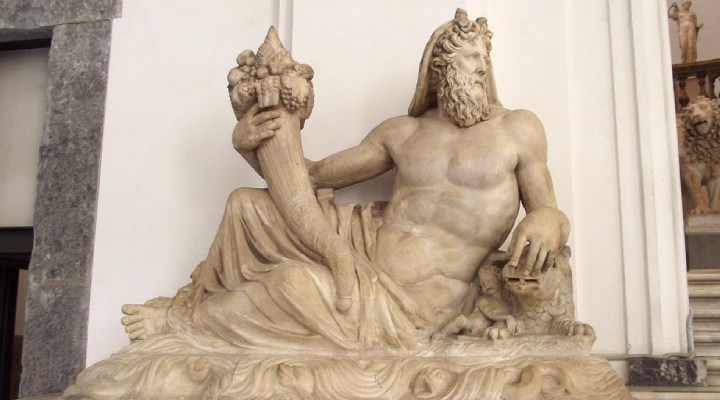
Visit the National Archaeological Museum of Naples (MANN), one of the world's most important archaeological museums and an essential stop for anyone interested in Pompeii, Herculaneum and the ancient civilizations of southern Italy.
The museum houses extraordinary sculptures, mosaics, frescoes and everyday objects discovered in the Vesuvian cities, together with the famous Farnese Collection and important Egyptian and ancient Roman collections.
- Price
- From €24 per person
- Languages
- English, French, German and Italian
- Included
- admission to the National Archaeological Museum of Naples, access to the temporary exhibition and downloadable Naples: City digital audio guide (English, French, Italian, German)
- Meeting point
- Piazza Museo 19, 80135 Naples
Prices and availability may vary. Always check the booking summary before payment.
From €24Check availability and book
What's included?
The current ticket includes:
-
admission to the National Archaeological Museum of Naples;
-
access to temporary exhibitions included with the standard museum ticket;
-
downloadable Naples city digital audio guide.
The downloadable city guide is currently available in:
-
English;
-
French;
-
German;
-
Italian.
The Magna Graecia Collection is not included with this particular Tiqets ticket.
Why visit the National Archaeological Museum?
If you have visited, or plan to visit, Pompeii and Herculaneum, the MANN is one of the most useful museums you can add to your itinerary.
Many of the most important artworks and archaeological objects discovered during the excavations of the Vesuvian cities were transferred to Naples for conservation.
At the museum you can therefore see original:
-
mosaics;
-
frescoes;
-
statues;
-
bronzes;
-
household objects;
-
decorative elements;
-
objects connected with everyday Roman life.
A visit to the museum provides valuable context before or after exploring the archaeological sites themselves.
The Pompeii collections
Some of the museum's most famous rooms contain objects discovered during the excavations of Pompeii.
The collections include exceptional examples of:
-
Roman wall painting;
-
floor mosaics;
-
sculptures;
-
household furnishings;
-
objects used in everyday life.
These objects help reconstruct the interiors of Roman houses that today appear much more empty when visited at the archaeological site.
The Alexander Mosaic
Among the most famous archaeological works in the museum is the monumental Alexander Mosaic, discovered in the House of the Faun at Pompeii.
The mosaic depicts the battle between Alexander the Great and Darius III of Persia.
It is one of the most celebrated surviving examples of ancient mosaic art and demonstrates the extraordinary quality of decoration found inside wealthy Pompeian houses.
Frescoes from Pompeii
The museum preserves an exceptional collection of Roman frescoes removed from houses and villas in the Vesuvian area.
They include:
-
mythological scenes;
-
landscapes;
-
portraits;
-
architectural decoration;
-
scenes of everyday life.
Many of these paintings retain remarkably vivid colours.
Seeing them at the museum provides a much clearer idea of how richly decorated the houses of Pompeii originally were.
Herculaneum and the Villa of the Papyri
The collections also include important discoveries from Herculaneum, particularly objects associated with the famous Villa of the Papyri.
The villa contained an extraordinary collection of bronze and marble sculptures as well as the ancient library of carbonized papyrus scrolls from which it takes its modern name.
Many of the sculptures discovered there are now preserved at the National Archaeological Museum.
The Farnese Collection
Another major highlight is the Farnese Collection, one of the most important collections of ancient sculpture assembled during the Renaissance.
It includes monumental works such as:
-
the Farnese Bull;
-
the Farnese Hercules;
-
the Farnese Atlas;
-
other Greek and Roman sculptures collected by the Farnese family.
These works were transferred to Naples following the inheritance of the Farnese collections by the Bourbon dynasty.
Check dates and availability for the National Archaeological Museum of Naples
The Farnese Hercules
The Farnese Hercules is one of the most recognizable ancient sculptures in the museum.
The enormous statue shows Hercules resting after completing his legendary labours.
The sculpture was discovered in Rome in the Baths of Caracalla and later became part of the Farnese Collection.
The Farnese Bull
The monumental Farnese Bull is another of the museum's masterpieces.
The enormous sculptural group represents the myth of Dirce and is remarkable both for its size and its complexity.
Together with the Farnese Hercules, it is one of the highlights of the museum's ground floor.
The Secret Cabinet
The museum's Secret Cabinet – Gabinetto Segreto contains ancient Roman objects and artworks with erotic themes, many of them discovered at Pompeii and Herculaneum.
For a long period these objects were separated from the main collections because of their subject matter.
Today they provide valuable evidence about Roman culture, religion, humour and attitudes towards sexuality.
Access arrangements can change, so check the museum information available on the day of your visit.
Egyptian Collection
The National Archaeological Museum also contains an important Egyptian Collection.
Its objects illustrate different aspects of ancient Egyptian civilization, including:
-
religion;
-
funerary practices;
-
daily life;
-
power and society.
Individual museum sections may occasionally close because of restoration or reorganization.
How much time should you allow?
The museum is very large.
For a first visit, allow approximately:
-
2 hours for the principal highlights;
-
3 hours for a more complete visit;
-
half a day or more if you have a strong interest in archaeology.
Visitors particularly interested in Pompeii should concentrate on the mosaics, frescoes, everyday objects and Vesuvian collections.
Opening hours
The current standard opening hours are:
09:00 – 19:30
The museum is normally closed on Tuesdays.
Last admission is approximately one hour before closing.
Opening hours can change on holidays, special dates or during exceptional events, so always check the schedule for your selected visit date.
Where is the museum?
The National Archaeological Museum of Naples is located at:
Piazza Museo 19
80135 Naples
It is easily reached from the historic centre.
How to reach the museum
Metro Line 1
Get off at:
Museo
The station is immediately next to the museum.
Metro Line 2
Get off at:
Piazza Cavour
From Piazza Cavour, walk towards Piazza Museo or use the underground pedestrian connection towards the Museo area.
The museum is also within walking distance of several areas of the historic centre.
What happens when you arrive?
Show your smartphone ticket at the museum ticket office.
You will enter at the first available admission time.
Keep your booking voucher available on your smartphone.
Is an audio guide included?
The current Tiqets ticket includes a downloadable digital audio guide to the city of Naples.
It should not be confused with a dedicated audio guide to the National Archaeological Museum's collections.
After booking, you will receive separate instructions for downloading the digital guide.
Is the Magna Graecia Collection included?
No.
The current Tiqets ticket specifically states that access to the Magna Graecia Collection is not included.
If this collection is particularly important to you, check the museum's current ticket options before visiting.
Accessibility
The museum is generally wheelchair accessible.
However, the Vittorio Emanuele II Apartment is currently not accessible to visitors with mobility disabilities because of stairs.
Individual areas can also temporarily close because of conservation or museum works.
Can you combine the museum with Pompeii?
Yes, although visiting both thoroughly on the same day can be demanding.
A better itinerary for many visitors is:
-
visit Pompeii on one day;
-
visit the National Archaeological Museum on another day while exploring Naples.
The museum is particularly rewarding after Pompeii because many objects removed from the archaeological site can be seen in their original artistic detail.
For Pompeii ticket information:
Pompeii Express & Pompeii Plus
Can you combine the museum with Herculaneum?
Yes.
Herculaneum can be reached from Naples by Circumvesuviana train and requires approximately 2–3 hours for a typical visit.
The museum then provides additional context through objects and sculptures discovered at the site and at the Villa of the Papyri.
For Herculaneum tickets:
Herculaneum: Entry Ticket + Digital Audio Guide
What else can you visit nearby?
The museum is located close to the northern edge of the historic centre.
From here you can continue towards:
-
Piazza Dante;
-
Via dei Tribunali;
-
Naples historic centre;
-
Sansevero Chapel;
-
Naples Underground.
For another archaeological experience:
Naples Underground: Skip-the-Line Ticket + Guided Tour
Cancellation and rescheduling
The current booking conditions allow:
-
cancellation until 23:59 on the day before the visit;
-
rescheduling until 23:59 on the day before the visit.
Always check the final conditions displayed during booking before completing your purchase.
Frequently Asked Questions
Is admission to the National Archaeological Museum included?
Yes.
Are temporary exhibitions included?
The current Tiqets ticket includes access to temporary exhibitions covered by the standard admission.
Is an audio guide included?
A downloadable digital guide to the city of Naples is included. It is not described as a dedicated museum audio guide.
Which languages are available for the digital guide?
English, French, German and Italian.
Is the Magna Graecia Collection included?
No. It is specifically excluded from the current Tiqets ticket.
What can I see from Pompeii?
The museum contains important mosaics, frescoes, sculptures and everyday objects discovered in Pompeii and other Vesuvian archaeological sites.
Are there objects from Herculaneum?
Yes. The museum contains important archaeological finds from Herculaneum, including sculptures connected with the Villa of the Papyri.
What are the most famous works?
Highlights include the Farnese Hercules, Farnese Bull, Alexander Mosaic and major collections of Roman frescoes and mosaics.
How long should I spend at the museum?
Allow at least 2–3 hours for a first visit.
What are the opening hours?
The museum currently opens from 09:00 to 19:30 and is normally closed on Tuesdays.
What is the nearest metro station?
Museo station on Metro Line 1.
Can I show my ticket on my smartphone?
Yes.
Is the museum wheelchair accessible?
Most of the museum is accessible, although some specific areas have accessibility limitations.
Can I cancel the booking?
Yes. Cancellation is currently possible until 23:59 on the day before the visit.
Can I change the date?
Yes. Rescheduling is currently possible until 23:59 on the day before the visit.
